How Much Workplace Pressure Is Too Much? Recognising Psychosocial Risks Before Burnout
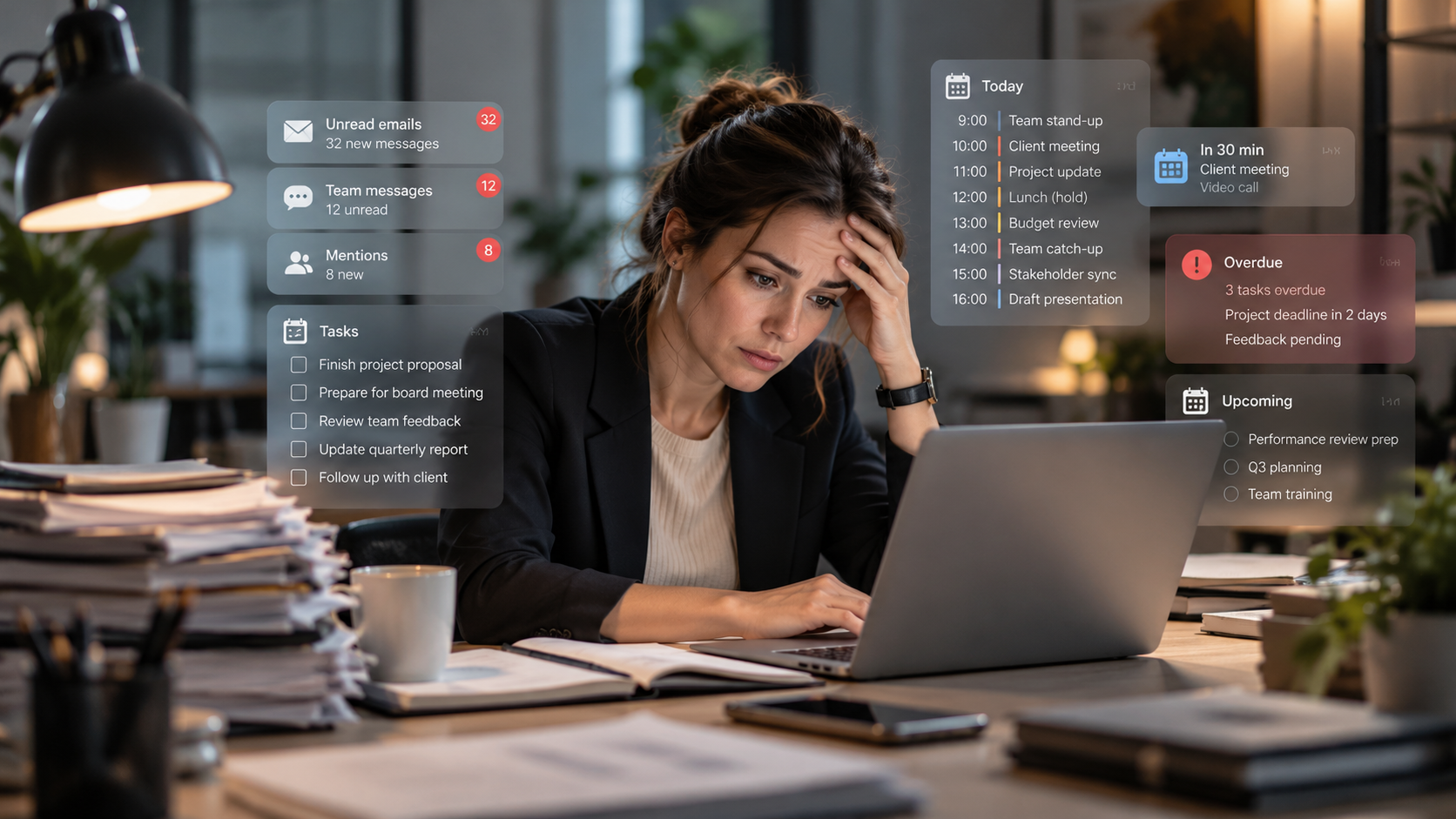
Workplace pressure is an unavoidable part of professional life. Tight deadlines, competing priorities and demanding workloads can motivate employees to perform at their best. However, when pressure becomes constant and employees feel they cannot keep up, the consequences can extend beyond productivity. Excessive workplace demands can contribute to stress, burnout, declining performance and serious psychosocial risks.
According to research from Safe Work Australia discussed in a recent Australian Market Update, 37.3% of workers experience tight deadlines or workplace pressure often or all of the time. With workload and burnout frequently identified as drivers of workplace distress, organisations face a growing challenge in understanding when healthy pressure crosses the line into an unsafe working environment.
While working hard can provide a sense of purpose, achievement and satisfaction, constantly rushing to meet expectations can have the opposite effect. Recognising the difference is essential for creating workplaces where employees can remain productive without compromising their mental health.
"If your workplace has normalised rushing, you need to teach your people about how to be aware of their stress."
When Does Workplace Pressure Become a Psychosocial Risk?
On a recent Australian Market Update, Host WA Managing Director Kim Padmore was joined by Guest Director of Psychosocial Leadership Charlotte Ingham to explore the growing impact of workplace pressure, the warning signs of excessive stress and how employers can better manage psychosocial hazards before they lead to burnout.
Drawing on her experience in education, neuroscience research and psychosocial hazard management, Charlotte explained that workplace pressure is increasing across Australia. She highlighted that the proportion of workers experiencing frequent pressure approaches 50% in some professional and financial services occupations, including legal and accounting roles. These findings raise important questions about how organisations design work and support employees.
One of the most important distinctions Charlotte identified is the difference between working hard and rushing. Working hard can be positive when employees understand their responsibilities, receive appropriate support and have enough time to complete tasks effectively. Rushing, however, begins when employees feel they cannot complete their work properly or safely within the available time. As Charlotte explained, "Working hard is actually good for us." The challenge is recognising when productive effort becomes sustained, unhealthy pressure.
What Are the Early Warning Signs of Workplace Stress?
Recognising psychosocial risks early requires employers to understand the difference between leading and lagging indicators. Leading indicators are warning signs that pressure may be becoming excessive, while lagging indicators reflect consequences that have already developed.
According to Charlotte, early warning signs can include employees regularly skipping breaks, working excessive overtime, continuing to work while unwell or becoming increasingly impatient with colleagues. Heightened workplace conflict, declining work quality and more frequent mistakes may also indicate that employees are struggling with excessive demands. In operational industries such as mining and construction, this pressure can also contribute to safety incidents and near misses.
When organisations overlook these warning signs, the consequences can become more serious. Increased absenteeism, presenteeism, employee turnover and workers' compensation claims can all indicate unmanaged psychosocial hazards. Charlotte also highlighted the potential impact on retaining younger employees, particularly Gen Z workers who may place greater importance on whether their workplace supports their mental health.
How Does Workplace Stress Affect Employee Performance?
Charlotte explained how prolonged workplace stress can affect employees' emotional wellbeing, concentration and ability to perform effectively. She described an ideal working state as being calm but alert, where employees feel motivated, focused and supported without experiencing constant urgency.
Using the relationship between stress responses and brain chemistry to illustrate her point, Charlotte discussed the roles of cortisol, dopamine and adrenaline in workplace motivation. While short periods of heightened pressure can help people respond to immediate demands, consistently relying on urgency can become exhausting. Over time, employees may find it increasingly difficult to maintain motivation, enjoy their achievements or recover after demanding workdays.
Rather than treating all pressure as harmful, Charlotte encouraged organisations to create working environments that support productivity through clear expectations, teamwork, recognition and manageable workloads. Employees should also be encouraged to recognise their own stress responses, communicate concerns and take steps to manage pressure before it escalates.
Why Is Employee Consultation Essential for Managing Psychosocial Hazards?
When asked what single action employers should prioritise, Charlotte's response was straightforward: "Listen to your people."
Effective psychosocial hazard management begins with understanding employees' experiences. Charlotte encouraged managers to have regular conversations with their teams, asking what causes the most stress at work and what changes could improve the situation. These discussions can help identify issues involving workloads, unclear responsibilities, insufficient support or unrealistic deadlines.
However, listening is only the beginning. Employers must also act on the concerns raised and consider appropriate changes to work design, resources and workplace practices. Charlotte emphasised that psychosocial hazards are a work health and safety issue, meaning organisations need structured risk management processes rather than relying solely on HR grievance procedures.
The overall message is that managing workplace pressure does not mean eliminating challenging work. It means creating conditions where people can work hard, feel supported and achieve meaningful results without sacrificing their wellbeing. By identifying risks early, consulting employees and taking practical action, employers can build healthier, safer and more productive workplaces.
How Can Employers Reduce Workplace Pressure and Prevent Burnout?
- Recognise early warning signs: Monitor patterns of excessive overtime, missed breaks, workplace conflict and declining performance before they develop into more serious issues.
- Encourage open conversations: Regularly ask employees what causes them the most stress and create opportunities for them to raise concerns without fear of negative consequences.
- Review workloads and deadlines: Ensure employees have realistic timeframes, clear priorities and appropriate resources to complete their work effectively and safely.
- Promote stress awareness: Help employees recognise when productive effort turns into unhealthy rushing and encourage them to communicate when demands become unmanageable.
- Build supportive workplace practices: Strengthen teamwork, provide regular recognition and establish clear expectations so employees feel valued and supported.
- Turn feedback into meaningful action: Use employee consultation to identify psychosocial hazards, implement appropriate risk controls and regularly review whether those measures are working.
Grow your career and teams with people2people
In business since 2005 in Australia, NZ, and the United Kingdom, people2people is an award-winning recruitment agency with people at our heart. With over 12 offices, we specialise in accounting and finance, business support, education, executive, government, HR, legal, marketing and digital, property, sales, supply chain, and technology sectors. As the proud recipients of the 2025 RCSA and SEEK Outstanding Large Agency Awards, we are dedicated to helping businesses achieve success through a people-first approach.
Recent articles

By people2people
•
September 27, 2026
New people2people research reveals how common workplace vaping is and what Australian employers should consider when setting clear policies.

By people2people
•
September 18, 2026
1.2 million Australian roles still need filling. Explore SEEK’s latest data and what changing labour market conditions mean for employers.

By people2people
•
September 15, 2026
Employers want AI and digital skills, but broader L&D plans are declining. Explore the growing learning paradox shaping workforce strategy in 2026.
Latest PR features
Most employers in Australia plan to hire talent in 2026
How February can be a make-or-break for employees
Job security takes priority as Australia enters a workforce reset in 2026
Copyright 2026, people2people Recruitment