The labour market often sends mixed signals. Headlines may point to cooling conditions, while lived experience on the ground tells a different story. For employers and job seekers alike, understanding the nuance behind the numbers is critical. A falling unemployment rate does not automatically mean a tightening market, just as fewer job advertisements do not always signal declining demand. The detail beneath the surface is what shapes hiring strategies, salary expectations, and workforce planning for the year ahead.
Australia’s employment landscape has been recalibrating over the past 18 months. After the intensity of the post-pandemic hiring surge, the market has gradually shifted into a more measured phase. Businesses are reassessing growth plans, balancing cost pressures with expansion opportunities, and approaching recruitment more thoughtfully. Yet despite this moderation, there are clear indicators of resilience and underlying strength in the economy.
“Unemployment actually went down. It’s not a statistical fluke. It was a solid result underneath.”
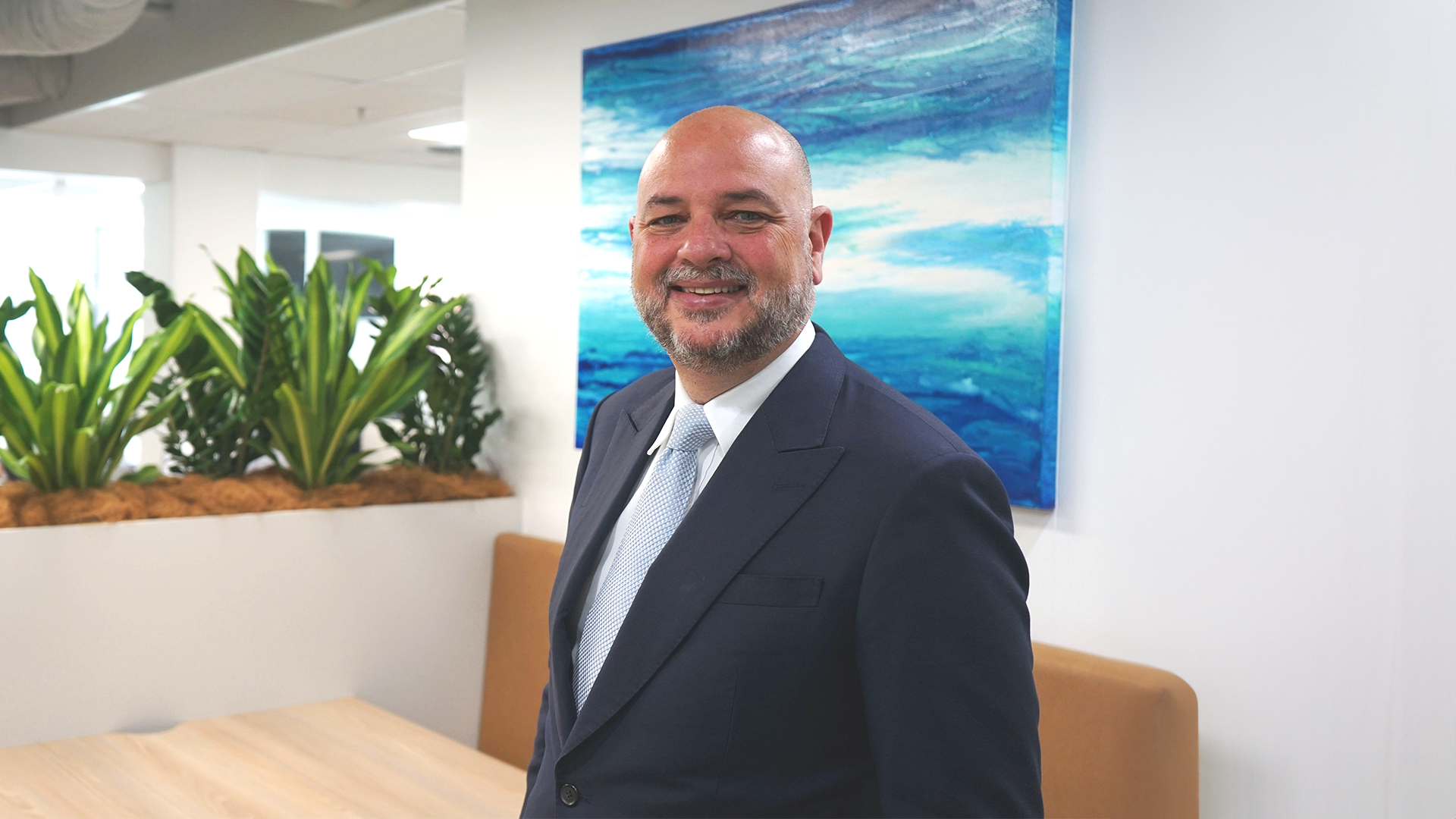
On a recent Market Update, Host Ben Wheeler, Queensland Managing Director at people2people, was joined by Guest Mark Smith, Chair at people2people, to unpack the latest unemployment figures released by the Australian Bureau of Statistics. What emerged from the discussion was not a story of slowdown, but one of stabilisation and normalisation.
Mark highlighted that what stood out most was that unemployment fell while employment simultaneously increased. While that may appear logical, he explained that “many times when these stats come through, the participation rate actually changes”. This time, however, participation rose. In his words, “you had more people looking for work who actually found work”, reinforcing that this was not a surface-level improvement but a genuine strengthening in workforce engagement.
Another powerful signal was the rise in hours worked, which Mark noted had “hit a record as well”. That detail matters. Increased hours suggest businesses are not just cautiously optimistic but actively busy. When organisations are extending working hours, it reflects sustained demand rather than temporary fluctuation. At the same time, underemployment declined, particularly among younger workers, signalling more meaningful workforce participation rather than patchwork employment.

Mark Smith, Chair at people2people Group
For job seekers, the message is encouraging but measured. As Mark put it, “there are real opportunities out there”, yet he also cautioned that “the number of people actually who are responding to job ads have gone up as well”. In practical terms, opportunities exist, but so does competition. Candidates must be prepared to differentiate themselves in a market that is more balanced than it was during the peak of labour shortages.
From a hiring manager’s perspective, the environment is evolving rather than retreating. Mark observed that competitors are “still hiring and keeping people busy” and that “the market hasn’t paused in any particular way”. This is not a hiring freeze. Instead, it is a recalibration. Job advertisements may be slightly down, but demand has not disappeared. As he described it, “the urgency has eased a little bit and the demand hasn’t disappeared”.
Perhaps the most accurate characterisation of the current landscape came when Mark described the market as “normalising”. Having seen similar cycles before, he explained that while the market cooled slightly last year, it did so “in a healthy way”. Employers are hiring “more thoughtfully”, and although there may be “a little bit more choice in terms of the number of candidates around”, those candidates remain selective. The power dynamic has shifted into something more balanced, not one-sided.
This balance could ultimately strengthen long-term sustainability. Rapid surges in hiring often create inflated salary pressure and rushed decisions. A steadier market allows businesses to refine workforce planning and invest in development rather than simply reacting to immediate gaps. As Mark put it succinctly, “it’s like the market is catching its breath”.
Looking ahead to 2026, the outlook appears cautiously positive. Momentum remains, participation is strong, and productivity indicators are encouraging. While uncertainty will always exist, particularly around broader economic factors, the labour market does not appear to be stalling. Instead, it is stabilising into a more sustainable rhythm.
For both employers and employees, that may be welcome news. A normal market, after years of volatility, can provide the clarity needed for smarter decisions, stronger retention, and more strategic growth.

Grow your career and teams with people2people
In business since 2005 in Australia, NZ, and the United Kingdom, people2people is an award-winning recruitment agency with people at our heart. With over 12 offices, we specialise in accounting and finance, business support, education, executive, government, HR, legal, marketing and digital, property, sales, supply chain, and technology sectors. As the proud recipients of the 2025 RCSA and SEEK Outstanding Large Agency Awards, we are dedicated to helping businesses achieve success through a people-first approach.
Recent articles

Latest PR features
Copyright 2026, people2people Recruitment